[00:00:12.790] – Speaker 1
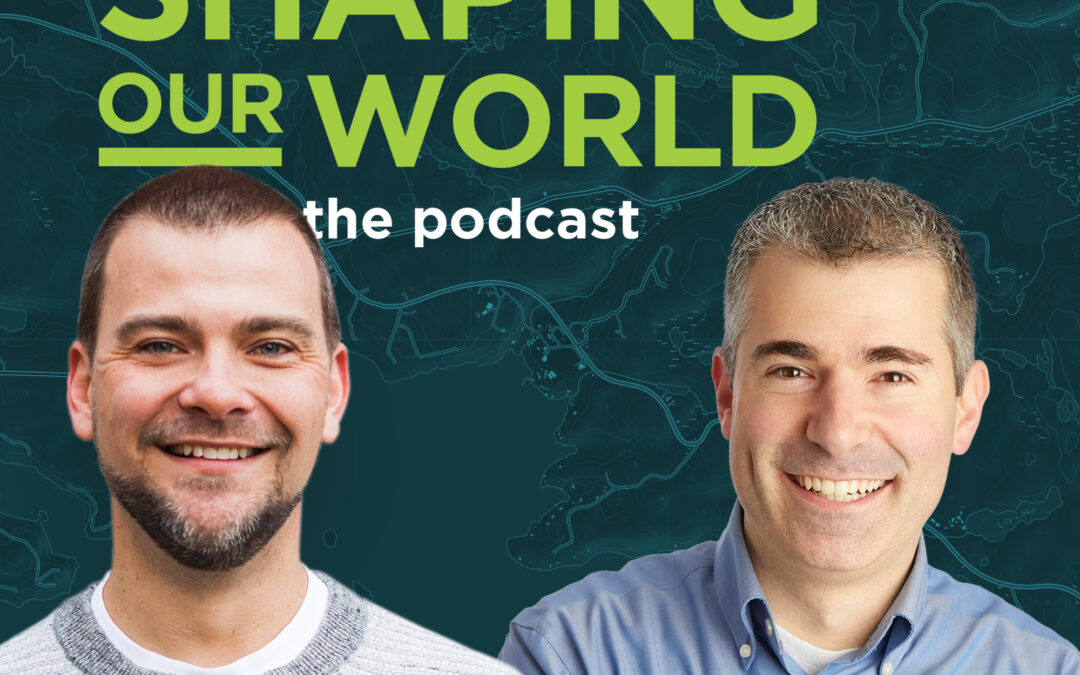
Well, hey everyone, I’m Chris Tompkins and welcome to the Shaping Our World podcast. My goal is to invite you into a conversation that will leave you more confident in understanding and inspiring the young people in your life. Each episode we talk with leading thinkers and practitioners and offer some resources to help you dive deeper into the world of our youth today. Today we have a great show as we welcome Peter Katz to join us for an interview. Peter is a Juno-nominated musician, keynote speaker, and certified facilitator. He’s known for creating powerful experiences that help young people feel seen, known, and connected. He works with organisations all across North America to strengthen culture, engagement, leadership, and belonging. One of the unique aspects of Peter’s work is that he blends live music, storytelling, and practical leadership insights in a way that’s both inspiring and actionable. He also spends time each summer leading a youth programme called Faces in Alberta, Canada. Peter believes that young people need to be seen, valued, and recognised, and that small moments of encouragement can have a lasting impact on confidence, belonging, and potential. He encourages individuals and organisations to focus on what matters most and create cultures where people can do their best work.
[00:01:42.370] – Speaker 1
As you’ll hear in our conversation, Peter uses storeys to reveal the extraordinary potential that exists within ordinary moments and relationships. I know you’re going to enjoy this conversation. Now to Peter Katz. Peter, it’s great to have you.
[00:02:05.360] – Speaker 2
Thanks, Chris. Great to be here.
[00:02:06.710] – Speaker 1
Looking forward to diving into your life and some of the things you want to offer up and share with us. And building off of the bio that I read before we started the show, Tell us a little bit about what shaped your world when you were growing up. What were the influences in your life when you were a child?
[00:02:24.700] – Speaker 2
Well, the things that come to mind, I mean, obviously music is a huge part of my life. And, you know, in my youth was when I sort of was given first taste of music. I started on violin and piano, and then eventually, you know, the guitar was really where I fell in love with music. As I started playing guitar, songwriting came to the fore. So I feel like music has been a huge influence on my life, both the love of playing the instrument, but especially I would say the songwriting aspect of it and the self-expression. And, you know, I discovered music at a time when actually my parents were separating. And so that was also— those two things kind of go hand in hand for me of being able to kind of process feelings and have that that outlet. So music was a huge one. I would say a huge thing that shaped my youth was my siblings. I’m the baby of 4, and I always say that I just kind of won the siblings lottery. I know I hear storeys from other people that they didn’t get along with their siblings, but my siblings are angels on earth, and they were kind to me and I really feel so blessed, especially, you know, when my parents split up, my siblings were such a lifeline for me.
[00:03:45.670] – Speaker 2
And to this day, if I think about my biggest influences, I would definitely think about them. And lastly, I would say, you know, camp, and I’m not trying to speak to the, you know, preach to the choir here, but summer camp and those relationships, being in nature. It was at summer camp that someone first handed me a guitar and invited me to try. And I think because I felt like I was in this safe space, I felt willing to do it. And it was where I found my voice. And, you know, we did, you know, camp plays and I got to sing for the first time and was encouraged and said, hey, there might be something here for you. And just that connection with doing hard things like climbing a mountain or sleeping under a tarp or getting muddy and realising that I can be okay. And not only I can be okay, but I can feel proud of myself. I can feel that sense of myself. I’m away from technology, which of course when I was a kid is nothing like it was, like it is now, but yet still just to be immersed in that environment.
[00:04:54.540] – Speaker 2
I reference camp all the time in my life and I run a youth mentoring programme every summer. I’m about to go there in about 5 days. So those are the influences that come to mind.
[00:05:08.490] – Speaker 1
And I know like even music and other things, they’ve shaped your professional career, but maybe beyond some of those things, and I know they shape your world beyond just your career, but help us to get to know you a little bit better, your personal life, family, interests, hobbies. Do you go to the theatre? Do you like running marathons? Tell us a little bit about what’s shaping your world today.
[00:05:28.600] – Speaker 2
Yeah, so professionally, you know, I began, well, I did my degree in theatre, but then by the time I was done theatre, I knew I wanted to go all in on music. And so, you know, worked random jobs, mostly in the service industry, until I could, you know, have enough gigs that I could quit all other jobs and just do music. And so started touring across Canada, across Europe, across North America, was doing 150-200 shows a year for well over a decade. So live music was, was my bread and butter. And then, you know, people started asking me to to give keynotes. I mean, there’s kind of a longer storey behind it. Essentially, this youth mentoring programme had been using my music as part of their curriculum, and they had wanted me to come work for them. And I guess they’d reached out to my manager at the time who’d said no. So they organised this show so they could ask me directly. And I played this show in southern Alberta, and I’d never been in this town before. And there were 300 people there that knew all my songs and were rabid fans. And, you know, that was back in 2013.
[00:06:36.100] – Speaker 2
Of course, I said yes to being involved with that program. And as I mentioned earlier, to this day, I’m now one of the people that runs that programme every summer. I just go out for a week now. I used to go out for a month. And then because of that and realising that there was this other way that I could connect with people beyond concerts, the people that I met in that world were all teachers. And they said, “Hey, I’ve seen you on stage. I’ve seen you with teenagers. You gotta combine that together and turn it into a keynote.” and we’ll book you at our schools. And so I started doing these keynote concerts at high schools initially. And then one thing led to another and I started doing keynotes for grownups. And then this whole speaking career emerged and then it evolved even further from there where organisations that I was giving keynotes to said, hey, could you do more work with us? And so about 6 years ago, I became certified as a facilitator as well. So I could do kind of longer form programmes work within organisational culture. I’m trained in conscious leadership, and so I run a conscious leadership retreat in Costa Rica, and I do conscious leadership work within organisations as well.
[00:07:49.390] – Speaker 2
And now I run all kinds of retreats. And so it’s sort of this ever-expanding magical mystery of a life that all originated from playing songs and being a storyteller. And the cool thing is Everything that I still do has music and storytelling, but it’s been amazing to me sort of the reach and the different ways that I’m able to do it out in the world. And so that’s kind of the professional lens. As far as like the personal side of things, well, about a year ago, we moved out of the city. We lived in downtown Toronto for 25 years and moved out to be in nature. So I actually live down a very long dirt road north of Kingston on a lake. And so, when I’m not out and about in the world doing what I do, I love being here and building things. We’re actually building a retreat centre next door, which is almost complete. And, I absolutely love being in nature. I love going for long hikes. I’ve done lots of kind of long trips in my life. And then, it’s my partner Tess and I, And we’ve been on a journey to try to create a family for many, many years now.
[00:09:04.530] – Speaker 2
And so we’re looking into adoption and some other options right now. So that’s the Coles Notes of it, yeah.
[00:09:11.270] – Speaker 1
I find it so fascinating because I think, you know, maybe there are some young people, kids, teenagers, whatever, you know, that when they’re young, they like, oh, I wanna be a teacher or a doctor. And, you know, that’s where their life heads. But for so many of us, there’s just all these things about experience and doors opening and then moving to the next thing. And you go 20 years back and you never would have predicted the career that you would— maybe you did, but your storey seems to evolve from music, all these other things, uh, you know, just speaking to kids to then speaking to organisations. It’s still that— there’s still a thread woven in, like you said, music and storytelling, but where that’s taken you, uh, is so interesting to hear. And so, I love hearing that. And that’s why I’m fascinated to get that journey, but then also see how it kind of shapes what you have to offer for parents and adults that care about kids from the things that you’ve gleaned over your whole experience. And I wanted to start with that because I’ve read that there’s a question that has shaped your career, which is, “What matters most?” And kind of where did that come?
[00:10:17.760] – Speaker 1
When did that evolve in your kind of mind and heart, and why is that a significant question for you?
[00:10:24.410] – Speaker 2
Yeah, so I think that’s something that’s sort of been under there over the years of like, I’m somebody who is highly interested. I like, I say I haven’t been bored like ever, you know, like, and certainly when I, when I discovered like songwriting and creativity, like there’s never a moment in my life where I don’t have a million things that I would love to be doing or that I could fill the time with. And so because I’m interested in so many things and because life is just this abundant opportunity, I think there’s a certain need to be like, okay, what matters most in this situation? And that actual sentence actually came about from a friend of mine, the late, great Dr. Danny Friedland. And he’s actually the So he was a physician and a neuroscientist, and he actually studied basically the neuroscience of leadership. And so he was— I met him through my facilitation training in that community of folks, and his body of work is around conscious leadership, and his body of work sort of became the basis for this retreat that we run and a lot of the conscious leadership work that I do.
[00:11:38.260] – Speaker 2
And Danny, unfortunately, just like the healthiest guy in the world in his mid-50s got this, you know, aggressive form of cancer and, you know, took his life quite quickly. But in the final year of his life, he was still kind of doing some amazing work and facilitating and teaching. But he made these videos for his sons. And one of the things that he would talk about, he would say like, what matters most now? And of course, when you’re in that imminent end-of-life situation, most people get really clear on what matters most now. And a lot of things fall away. It was so powerful when I heard him say that. I said, you know, what if we could connect with that idea, not only when we’re facing the end of life, but from an organisational context, from a personal and professional context, What if we emphasise getting really clear on what, what matters most? And then what are the intentional ways that we can take what matters most and actually make it matter most? So that’s the genesis of it.
[00:12:53.020] – Speaker 1
That’s amazing. I love that. As you are and have been a travelling musician and now keynote speaker, I know that you would encounter so many different types of people in some really meaningful moments of their life. And I’m sure you hear storeys get told back to you as you speak and share. As you kind of look over kind of the breadth of that for you as you travel around and meet so many different people, what has that really taught you about the importance of connection and people? What have you learned about human beings as a group of people? And I’m also wondering, like, what are— maybe as a tag-on, what have you learned about young people today?
[00:13:35.270] – Speaker 2
Yeah, I think the blessing of my life is the amount of people that I get to meet and connect with and the diversity of rooms that I get to be in. And, you know, every keynote I give, every work I do within an organisation, I don’t only interview the meeting planner or whoever’s convening. I always ask if I can interview some of the people that are going to be in the audience and get their stories. And I’ve done thousands and thousands of those interviews at this point. And there’s a few things that jump out to me as I hear the question. So number one, is I think human beings are wildly inspirational, and most human beings don’t think that the way that they’re doing something or thinking about something is that remarkable. But I have the great privilege of getting their storeys out of them, shining a light on them, and then sharing them. And of course, when other people hear their stories, they find it remarkable. They find it inspiring. It, it changes the way they’re thinking about something. It makes them, you know, want to be led by that person, makes them want to lead in a different way.
[00:14:45.530] – Speaker 2
And so, so to me, I generally find human beings remarkable and inspiring. And when you give people the opportunity to share their stories, I think there’s just this abundance of inspiration that exists. The other thing that I find, and you couldn’t unconvince me of this, is I really believe that human beings are fundamentally good and that human beings are fundamentally love. And that, of course, we find ourselves in circumstances and conditions and pressures and all kinds of forces that move us into reactivity, that move us to kind of show up not at our best and cause all kinds of issues. But what I found, and I see this all the time in my facilitation work, is when you create the container, when you create the conditions for people to feel seen and heard and have that sense of belonging and that sense of trust, and when you do things to help their nervous systems move away from fight or flight, when you, you know, you can use music, there’s all kinds of things. When you create the conditions, it is amazing the transformation that you you can see occur. And to sort of hit the second point that you asked about as far as youth, right?
[00:16:09.330] – Speaker 2
I’m about to fly out to Alberta on Saturday. I’m going to run this program. And I’ve run this programme many, many, many, many times over the years now. Hundreds, if not thousands of students through this programme over the years is you see the students show up on the first day and they’ve maybe got the sunglasses and the hoodie up and they’re not responding and they’re like, you know, and then you just show up for them consistently and you model that you love them, that you care about them, that you’re there for them, you create opportunities for them to express gratitude and acknowledgement for each other, you take away, you know, they’re not on the devices, they’re sleeping in tents, they’re looking at the stars, they’re breathing in the fresh air, they’re eating good wholesome food. Like all of a sudden, the hoodie comes down, the sunglasses come off, the smiles come to their faces and you see their essence and you see what’s possible. And so I am just so convinced and I kind of feel like my life’s work is to create the container, to create the conditions for human beings to return to themselves, to re-encounter themselves.
[00:17:24.980] – Speaker 2
And from that place, they can do their best work. They can be the most connected with each other. They can have the realisations about themselves that they’ve been longing to have, but there was all these blocks and noise and distractions that were getting in the way. And so, I just have this deep faith in human beings and in humanity. And I think it’s just about creating the conditions for the best of ourselves to emerge.
[00:17:53.190] – Speaker 1
Before we get back to the conversation, I want to let you know about a great opportunity for families. Muskoka Woods is giving away one free weekend week of camp for a child aged 6 to 16 in the summer of 2027. That’s a camp experience valued at $2,250 including all accommodations, meals, activities, new friendships, and more fun than you can imagine. At Muskoka Woods, young people grow in confidence, try new challenges, and make memories that last long after the summer. And entering is easy. Just visit MuskokaWoods.com/WinAWeek. You’ll need to fill out a form and confirm your email. No purchase is necessary, and the winner will be drawn on March 3rd, 2027. That’s MuskokaWoods.com/WinAWeek. Enter today! I used to do focus groups with all of our kind of older kids just to kind of listen about what makes camp so unique and special. And I’d always ask the question about like, what’s your favourite thing about camp? And the most consistent answer, like, you know, there were a whole bunch of different things, but the one that was like highest frequency was, “It’s a place I just get to be myself.” Exactly. And, like you talked about, the container, the environment where people can feel seen and heard and known and loved, and they can feel like they have a place to belong.
[00:19:32.730] – Speaker 1
It’s that sense of like, this is my place, my camp. I belong here. I get to be myself. And man, the world is a complicated place for so many of us. And a lot of the spaces that we normally operate We don’t always have that environment, you know, for whatever reason. And so I love to hear that. You obviously, you’re about to get on a plane and go spend some time working with youth and youth leadership. The two-part question. First one is this: Why are you still doing that? You know, you’ve got a career, you’re off speaking to adults and corporate stuff. Why do you give some time back to young people? What is it about that that is important enough for you to get on a plane and go do that?
[00:20:16.440] – Speaker 2
It’s one of the favourite things that I do. It’s one of the most meaningful things that I do. And, you know, even in my sort of corporate speaking schedule, I, you know, which is at certain fee ranges, I will always have a certain amount that I want to do for youth at a much, much lower fee. I have a deep, deep love for teenagers especially. I think As is so often the case for human beings, is like the things that we struggled with the most also become the things that become our superpowers. The areas where we were most challenged are actually the areas that we can be of highest service. Obviously, my teenage years were really difficult when I was going through the divorce of my parents, just sort of the selling of our childhood home and all this kind of stuff. And by the time I was 16 years old, I lived in an apartment by myself. And so that was a really difficult time. And, you know, for a period of that time, I struggled with alcohol. And it wasn’t until I fully found myself into the arts and that I kind of found my way again and found community again.
[00:21:29.610] – Speaker 2
But I remember the very first summer that I did the youth mentoring work. In many ways, I wasn’t qualified, right? I was this guy who was in a van driving around the world playing concerts. And this organisation saw something in me and they said, hey, we think you would be a great youth mentor. And they put me in this room and I’m, you know, at that time I wasn’t the session lead like I am now. I just had a little small group that were, they were like my, you know, 8 or 9 charges. And I’m sitting in this room and there, there hasn’t even been sort of like formal training. And, and I knew exactly what to do, right? Like, I just knew what to do. And I realised that every experience that I’d had in my life made me perfectly qualified for this job that I didn’t know existed. And I think fundamentally, like, the most important thing was I cared about them. Like, I was deeply curious about them. I could hold space for them. I could feel, you know, the pain and the challenges. And I was here for it because I— that was my lived experience.
[00:22:41.740] – Speaker 2
And of course, everybody’s experience is different, but I just had the capacity to be there with them. And I feel like that age in particular is such an important age, right? From a neurological perspective, there’s all this pruning and stuff that’s going on in the brain and and a lot of, a lot of who you are is getting shaped in that moment. And you’re kind of half kid, half grown up. And so to have the opportunity to sort of get in there at that moment in life and for some of them be the first person that they can really trust and feel connected to, maybe sometimes be the first person who’s deeply curious about them and doesn’t have all these attachments and is just, just there to listen and hold space and believe in them and create opportunities for them to to discover who they really are. I don’t know, I can’t think of more meaningful work than that. And yeah, I just think, well, of course I’m going to keep doing that for as long as I possibly can.
[00:23:42.440] – Speaker 1
That’s great. I love hearing that. And we need more people like you working alongside young people. And I just— maybe one other question, because like, I think one of the subtle goals, Peter, of the show is for us to— you hear a lot about generations and research reports and people have anecdotal exposure to young people in their lives, and it’s easy to kind of build up some assumptions. But one of the subtle goals I think I have for this show is to instil a lot of hope for the next generation because of what we see in young people. And I wonder, because you spend a lot of time with young people, could you maybe give us what hope you have for the future based on what you see in this next generation? What is it about them that might give you some hope in who they are?
[00:24:26.550] – Speaker 2
I mean, I just got goosebumps even just thinking about answering this question because I actually feel incredibly hopeful when I interact with the next generation. I think they’re savvy, they’re smart, they’ve had access to lots of information. And I think they’re, like I said, when you create the conditions for them to drop in, they’re amazing. I mean, they’re also They’re progressive, they’re forward-thinking, they want equal rights, they care about people, they’ll accept you however you are, you know, whatever your differences are. Like, they’re just— they’re open. And that openness is, you know, unfortunately sometimes something that gets lost as we get older. And so I love their openness. I love their curiosity. I love their acceptance of each other and all the various quirks and quirks. And yeah, and not to mention, like, you know, on the third or fourth day, I always do this, this little thing where I gather them together and I’m like, all right, guys, you know, we have something very serious to talk about. And then I say, we haven’t had a dance party. And, you know, like, put on music and they just like get up and just start dancing.
[00:25:46.250] – Speaker 2
And they’re like, they’re just up for anything. And I think as, as grownups, we could all use that reminder of like, what does it, what does it look like to throw yourself in fully, to be like unabashedly passionate? It gives me so much hope when I, when I meet them. And if anything, I just want to keep that spirit alive in them for, for as long as they can, they can carry it.
[00:26:12.240] – Speaker 1
Well said. Love it. One of the things that sets you apart in your space as a leader and a speaker in leadership and workplace culture is that you weave in song and storytelling, as you shared earlier. And I wonder if you could share with us why— what’s the power behind song and storytelling when you’re trying to lead and inspire and shape people?
[00:26:38.510] – Speaker 2
Yeah, well, I’ll start with the song aspect of it. So, you know, picture being in like a corporate setting, you know, it’s like some event you have to be at or an annual general meeting or a multi-day conference or whatever that might be. So I always open with a song for a bunch of reasons. Number one, just to kind of create this pattern interrupt of like, okay, I’ve just been listening to, you know, all this talk and all of a sudden there’s this guy singing. And if you sort of study the neuroscience of music, we actually process music in the same place we process our feelings. And so that’s the reason why a song can come on and literally within seconds your physiology changes. You have a a flash of a beautiful memory, or like your nervous system calms down. So there’s all of these kind of hidden effects that occur when you introduce music, which again, not to get too nerdy on you, but if you’re there to listen to a keynote and you want to learn and you want to feel connected to the content and you want to have takeaways, all of that is benefiting the experiential learning by actually putting people in a place physiologically that they’re going to be more receptive, more able to learn, more able to sort of cognitively connect like this idea that he just said and this part of my life or my work and actually make those linkages, music is going to help with that.
[00:27:57.880] – Speaker 2
I also use music to anchor some of the key messages. So if I’m sharing a story, then maybe I’ll play a song that sort of helps people anchor. And then I’ll always end with something like some kind of communal sing-along or something where you’re just sort of having that shared experience together of singing, maybe having a little fun. You know, people often get their phones out and start waving them. Maybe somebody gets up to dance, like whatever that is. But just to create that shared communal experience, you’re actually building this, this communal capital together by everybody within that organisation having that experience together.
[00:28:33.430] – Speaker 1
Before you get to storytelling, I just want to affirm that I was at a, a really large hospitality conference in Denver, and the guy who founded Shazam was coming to talk about innovation. And in his presentation, every time he was telling the storey and every time he got to like a date, he played a song of that time. And I just remember, like, I can still remember it today. Like, I was drawn into his talk way more because he’s talking about, you know, in this year I did this and it was more than that, I was now emotionally connecting a song I knew to that. And I was like, “Oh yeah, I remember that time,” right? Like I entered into his storey way more personally and I remember it to this day. So yeah, bang on on that. Like that’s a shared experience I’ve had around songs. So I can affirm that for sure.
[00:29:26.190] – Speaker 2
I love that. I remember chatting with him when he was like just getting into Keynote and figuring all that out. So that’s super encouraging to hear.
[00:29:34.930] – Speaker 1
There you go. You see him again, you can tell him it’s working. Okay.
[00:29:38.150] – Speaker 2
Well, and yet to answer the storytelling side of things, I mean, we could, we could spend the rest of the podcast talking about storytelling, but I’ll try to control myself a little bit here. But, you know, essentially, like, we as human beings love storytelling. And if you want to talk about getting emotionally involved, retaining information, you know, memorability, like all of that stuff, storytelling is hugely powerful. But the way that I think I use storytelling differently is I don’t get up on stage and just tell my stories. I tell their stories. And so I tell storeys from within the organisation that are from them, of them, which of course is going to have way greater relevance and impact for that particular audience. It’s a way for me to sort of shine a light on all of the ways that the people within that organisation are showing up in these remarkable ways that You know, 99 out of 100 times, other people in the organisation don’t even know those stories. Like, I got at those storeys and I get to share it with them. And then, you know, one of these ideas that I talk about is I talk about celebration and celebrating your stories.
[00:30:52.050] – Speaker 2
And the way that I define celebrating is kind of different than the typical definition where I think people sort of conflate celebrate with party. And I say, no, no, I think we party to forget, we celebrate to remember. And so when you’re celebrating something, you’re marking a moment in time and you’re saying, hey, of all the moments of like the, you know, the blur of life, you’re sort of saying this moment matters, this moment matters, this moment matters. And this powerful thing happens. Like if you think about going to a celebration of life, right, when someone’s passed away, You’re taking this entire person’s life, but you’re saying, hey, of all the moments of their lives, this moment, you know, when they, you know, showed up at my swim meet or, you know, like, or when I had this conversation with them, you’re like, these are the moments that kind of mattered most about their life. You’re celebrating the storeys of those moments. And as you’re hearing the stories, the people in the audience, like, you know, listening are getting inspired. They’re like, oh wow, I didn’t know that. Or, oh wow, I could stand to be a little bit more like that in my life.
[00:31:59.330] – Speaker 2
Or I could be a better father listening to how this person was a father. And so, so that idea is the same thing that I’m doing within an organisation is I’m celebrating their storeys in front of them. And as I’m celebrating their stories, they are getting like the recipes for their own success that they may not actually have. And because it’s presented in this storytelling format, they’re getting this big dose of inspiration. They’re feeling emotionally connected. They’re walking away from that experience saying, like, I’m going to go do this too. And ultimately, that’s why I say, like, we become what we celebrate, because the more you celebrate storeys of the impacts that you’ve created, the more you’re actually going to understand how to create those impacts, the more you’re inspired to create those impacts. And so the more impacts you’re going to create, the more that you celebrate storeys of, you know, your organisational values, which mostly just live on a website and people don’t feel connected to, if you bring those to life through storytelling, you’re actually going to live those values more in the future because of that.
[00:33:00.680] – Speaker 1
That’s really good. And I want to get back to celebration in a minute, but maybe more specifically because I want to talk about celebration as a topic too. But tell me, just like for storytelling, think about like, as a family, why is storytelling important for kids and families? What does that look like beyond like organisational stuff, like in that family context? Because I just remember, I went away with my dad. I took a sabbatical from work a number of years ago, and we went on a trip together. And I remember at one time in our journey, he just started telling me like his whole storey in a way I’d never even heard. Really. Like, I knew, you know, you get tertiary details of the way your parents have grown up and different things. And man, I heard some storeys I’d never heard before. And it really, you know, I was in my 40s at the time, but it really reshaped how I kind of approached my own family and my history. And I just wonder, like, how does storytelling weave its way in even as you have young children about, you know, storeys in general?
[00:34:10.020] – Speaker 1
Can you tell me a little bit about that and maybe help parents think through that?
[00:34:13.450] – Speaker 2
100%. Yeah, I got two responses and one that’s like an immediately actionable thing. So maybe I’ll give you the immediately actionable one first. So one of the facilitation approaches that I’m trained in is called appreciative inquiry. And without getting into the weeds of that approach, it really is about asking these appreciative questions. And one of the creators of appreciative inquiry, or he was the PhD supervisor of David Kuperider, who’s one of the founders of Appreciative Inquiry. His name is Ron Frye. And Ron Frye came in and did a training with us, and he shared a storey about being around the dinner table with his son. And for years and years and years and years, he would ask his son, like, how was your day? And the answer that he would get was good, fine, okay. And then one day he just sort of had this epiphany of realising what he does for a living and teaching people about appreciative questions and storytelling, he’s like, “Well, I got to bring this around the dinner table.” And so he asked his son, “Hey, what was the storey from your day?” Or he just introduced the word storey or, “What’s a storey of your day that brought you some joy?” Or, “What’s the storey from your day that gave you one of your greatest lessons?” Or whatever that.
[00:35:28.890] – Speaker 2
And all of a sudden, his son started yammering on and sharing. And he said, just literally inviting the word storey around the table, completely transformed his relationship with his son. And so, like, that to me is all the evidence you need, I think, of the power of inviting storey around the dinner table. But just to take it even closer to home with me, as I mentioned at the beginning, I’m the baby of 4 siblings. My entire life, I would have described myself as incredibly close to my siblings and very connected with them. But for whatever reason, 4 years ago, my— in my family, we celebrate Christmas, and I was home for the holidays, and I woke up in the morning, and I was like, I had this question in my head, which was like, when was the last time that the 4 of us siblings were together without all the other people? And, you know, I love all the other people, and, you know, the husbands and wives and nephews and nieces, like, of course I love being with all those people. But as adults, when my siblings and I get together, it’s generally in a context with with all the other people.
[00:36:34.000] – Speaker 2
And so I realised that we hadn’t been together, just the four of us, in 27 years. And so I invited my three siblings to go for a coffee together, just the four of us, found a little table at a coffee shop near my mom’s house, and I asked them three questions. And, you know, a question was a question about the past. I said, you know, what is a What is a strength, lesson, wisdom that you feel you gain from having been part of this family? So that was inviting sort of storytelling about this family, which would be specifically relevant to that group of people. I asked them about something that they love and appreciate about themselves, that no matter what changes, they’d want to continue. And then I asked them like this future-facing question of, hey, if we have the good fortune of being back here again a year from now, What is the storey of what you’d like to be celebrating? And we laughed, we cried, we shared, we connected in a way that I don’t think we ever had before. And we’ve done it every year since. We’ve done that 4 years in a row.
[00:37:39.280] – Speaker 2
And 2 hours once a year literally transformed what it feels like to be with my siblings, the depth of connection that we share. I think this happens all the time within families. You’re just sort of like, oh yeah, I know this person. I’ve known them their whole lives. But then you get to know them in a new way and you stay open and curious about them and you get to sort of reimagine and understand who they really are and what matters most to them right now. And so that’s a very personal example for me of the power of storytelling and celebrating what matters most. With the people that matter most to me. And actually, it’s not a, it’s not a huge lift, right? It’s like I said, it’s 2 hours once a year. The interviews that I do with people in preparation for my keynotes is 15-minute interview. Like, it’s, it’s not actually a major thing. It’s just about creating the right container, asking the right questions, inviting the storytelling. And I mean, that has fundamentally transferred, you know, transformed my relationship with my siblings and I sometimes ask myself, like, how many more Christmases would have just gone by without the depth that we now share thanks to 2 hours once a year?
[00:38:55.030] – Speaker 1
It’s amazing. I want to talk a bit about celebration because it kind of aligns with our heart here in the organisation I work with at Muskoka Woods. It’s actually one of our core values, our 6th core value, celebrate. And we have a tagline for it that we seize every opportunity to encourage and affirm the best in life. And that’s kind of what we encourage our staff to do. And so, it’s really important and from, you know, the big things that we’re excited about to like really celebrating the individual kids that come to camp and who they are and what they’re contributing and how they’re exploring and all that sort of stuff. So, I wonder if you can tell us a little bit about like what would— you’ve shared a bunch about sharing storeys and stuff, but like maybe back into the home, what does celebrating look like for a family?
[00:39:42.220] – Speaker 2
Well, yeah, I think it is about sort of taking what matters most and making it matter most. And I guess the step before that is sort of defining what matters most, right? So under, like, within an organisation, you have values and mission and purpose, you know, hopefully. I think within a family context, I think it’s really important. And again, you know, full disclosure, as I mentioned, we’ve been trying to start a family for about 6 years now. So I’m speaking as not, not as a parent, just as an aspiring parent. So just, you know, I try to always speak from a qualified place. But, you know, to me within families, and I still think we’re a little family with our dog and the two of us, you know, understanding like what matters most here because I think it’s, it’s normal, unfortunately, for us to just like life to just go by. And I think every now and then maybe you do have a great connection with your, with your kids or you have that moment where like something happened where you’re like, oh man, like that was, that was awesome. Like, what was it? And for most of us, it’s sort of this like voodoo, like, gosh, cross my fingers.
[00:41:02.430] – Speaker 2
I hope that happens again. And I think what people fail to recognise is that you can actually design for more of those moments to happen, right? Like, I might go home for the holidays and have a great time with my siblings, but when I intentionally design that 2-hour container for us to intentionally connect, I’m sort of defining what matters most within our, our relationship here. I’m saying, hey, it’s important for us to, to get to know each other, to storytell, to be curious about each other, to, to celebrate our relationship and this, this very special connection that we’ve had from decades of knowing each other and living under the same roof, like that matters. But it could just sort of be taken for granted or just kind of go by unless we create the intentional container for it. And that’s how we make it special. That’s how we celebrate our relationship. And so it’s not that like every single moment, you know, in a busy hustling, bustling household needs to happen in that way. But I think there are rituals that can be put in place. For example, with my family, something that I have brought to the family that now gets done whether I’m there or not, like when it’s somebody’s birthday, is we go around the table and we share a story.
[00:42:25.480] – Speaker 2
The exact question is like, what is a storey you can share about Chris that Reveals like a quality that you love and appreciate about him, you know, and we go around the table and we pour into that person, we celebrate them, we share storeys about them, and it’s a really, really beautiful ritual. And so that’s like one of the things that I do. But I think about all the different ways that you can bring that intentionality, bring that storytelling, bring that connection. Yeah, I spend a lot of time thinking about that.
[00:42:56.860] – Speaker 1
I literally was just with someone right before this podcast interview who was, you know, speaking very specifically into me and like encouraging me with something that they’ve seen with me as I lead Muskoka Woods. And then the same person turned to my wife who was sitting there and she said, Amber, you know, this is what you— I’m just always in awe of the way you do this and whatever. I just thought, I’m like, this is a rare quality. And so I even turned to her and I said, Can I just encourage you that that’s a rare quality to see and that’s really special. So you keep doing that. And then she’s like, well, I want to encourage you to encourage more people too. Like, it was just this back and forth. And we had this conversation about like, it’s unfortunate that that is so rare, you know, where you carry on your day and people can give you kind of words of affirmation that aren’t like platitudes, like, hey, you’re a great guy. But there’s something— she was very specific in identifying something that I knew took intentionality. She had thought about it and had experienced it.
[00:43:57.810] – Speaker 1
She just wasn’t making it up. And she just thought it was important for me to hear. And it is important for me to hear. So I love that you shared that. And I think that’s something that we all can do better as we celebrate. And I think youth development is my thing. I know how important that is for young people. And, you know, as they wrestle with who am I, where do I belong, what am I going to contribute to? Parents and other adults that care for them to being able to speak into and call out things that they see that are very specific and not kind of, again, general. You know, you’re a lovely person, you know, I think. So yeah, I loved hearing that. Thanks for sharing that. It’s really good.
[00:44:34.980] – Speaker 2
Just to say, like, at the youth programme I run, it’s called Faces, by the way, you know, at the end of the day, every day, we do this thing called kudos where we go around the circle and, you know, I encourage every student to give a kudos. But the, you know, the encouragement that I say is, you know, you can acknowledge the person but say why. Like, what was it that they did? Like, share the story, give an example. Even just, you know, to keep it in the family realm, like, you know, this past weekend was Father’s Day, right? And what do most of us do? We like pick up the phone, call our dad or the father figures in our life and say, hey, Thanks for being a great dad, right? But when I make those calls, I say, hey, you know, I’m thinking of my partner’s stepfather, and I called him up and I said, hey, Ray, anytime I put new music out in the world, like, of any people, even more than my own parents, you like listen to the lyrics and you really listen and you share back with me what you heard and you appreciate it.
[00:45:35.020] – Speaker 2
And every time we go over to your house, you know, you just make the most amazing meals. And I said, I really see that and appreciate that. And, you know, he was, he was like in tears just feeling seen in that way. And obviously with teenagers and young people, if you can like specifically, like you just said, like specifically say what you’re seeing in them and appreciating about them, that’s where the power lies.
[00:45:57.420] – Speaker 1
Yeah. So good, man. This has been a great conversation. The time flies by so fast. So I just wonder maybe as we wrap up, maybe some shorter answered questions, uh, and maybe start coming out of your work as you help organisations build strong cultures. What’s something that you’ve learned that you’ve gleaned along the way that you could offer parents, teachers, youth workers, adults in their organisations, whatever they’re leading, uh, that just might be a piece of advice for them that you’ve gleaned over the way that you think is really important?
[00:46:32.840] – Speaker 2
I mean, I think not to like repeat myself, but I think in some ways I would go back to what I said earlier where I am constantly, I mean, constantly seeing that when given the right conditions, people can surprise you in the most beautiful ways. I was working with an insurance company for a year and a half doing like organisational work with them. And I remember after one of my events, you know, everybody had sort of cleared out and there was these two guys that were just sort of hanging around and I didn’t know why, but eventually they walked up to me and this guy started sharing and he said, you know, I’m the head of IT at this department. And when you started encouraging us to like storytell and connect, I was like, I was like, what is this guy like? I’m a ones and zeros guy. Like, forget this. He said, but I was struggling. I was struggling at home. I was struggling with some things with my son. And so I thought, okay, maybe I’ll take this crazy guy’s advice and bring this into our team meetings. And then he paused, tears came to his eyes, and he said, this has totally transformed our team.
[00:47:39.880] – Speaker 2
He said, 5 minutes at the beginning of every meeting and we connect. And he said, I got to be transparent about what was happening with my son. And people shared and opened up and we share and we connect with each other and we’re doing better work. We’re more connected, we’re happier. And he just said, thank you. And then the head of HR or whatever came up to me afterwards. She said, I can’t believe that he talked to you. Like, he doesn’t talk to anybody, you know, like, and let alone that he opened up in that way. And so I think, like, believe in people, believe in humanity, believe in their goodness, believe in their capacity. Like, never stop Don’t give up on people. Never stop believing in their capacity to rise, to return to themselves, to show up as their best selves, and never give up on creating the best container that you can create for that to emerge.
[00:48:38.470] – Speaker 1
Man, that is phenomenal advice for anyone listening, for any people that they’re leading or, you know, working alongside of. Any time we get a chance to help create that container or the environment where those things flourish, I think that’s incredible advice. So, I want— I’m just going to leave it there. And maybe, Peter, as our listeners have gone on this journey with us today, can you point them in the direction where they can find out a little bit more about you? I mean, we’ve done it, but just from your words, where can— if they’re like different, maybe they want you to come into their organisation or even some of the topics you’ve talked about like appreciative inquiry and different things like that. Where could they go to find out a few— what are some resources we can point them to as we wrap up?
[00:49:26.310] – Speaker 2
Yeah, so I mean, peterkatz.com is certainly a great hub for all things that I do. That tends to be more geared towards my keynotes and my facilitation work. I’m still putting music out into the world. I just put out a new album called Everything Unfolding. It’s available in all the places that you get your music. I’m deeply, deeply proud of that album. And yeah, I mean, those would be the two places. Of course, I exist on social media. Sometimes I have resistance to that, so sometimes I’m more consistent than I am at other places. But certainly PeterCast.com, and it’s super meaningful too to just have the music out there in the world.
[00:50:10.450] – Speaker 1
Okay. I forgot because we were talking about this before we recorded, I do have one little last question just about your songwriting and stuff. I did read you have 30 million downloads of an acoustic cover of Beyoncé’s song. Is that right? Is that right, Peter?
[00:50:24.730] – Speaker 2
It’s 36 now. It’s 36? It’s 20,000 a day. Yes.
[00:50:29.390] – Speaker 1
It’s amazing. So, people can Google that and find you and all that. But, you mentioned you wrote a song about camp. Can you tell me just as we’re wrapping up, we’ll put in the shameless plug for camp for parents. Here. What’s the song about? Why’d you write it? Uh, give us a little bit about your camp song.
[00:50:49.450] – Speaker 2
Yeah, and it’s literally called The Camp Song. And, uh, in 2008 I was commissioned by the International Camping Fellowship to write them a new theme song. And, uh, as I do with everything, I did a lot of prep and I did some interviews with some camp directors to try to, you know, just kind of Create Just the Right Thing. And I did an interview with my friend Gabrielle Rail, who’s the director for Camp Waro in Quebec. And in that conversation, she said, you know, you could have camp in a parking lot if you had the right people. Like, camp isn’t any one thing. It’s, it’s a, it’s the feeling. And that sort of gave me this idea of which, like, the chorus of the song is like, it’s more than the green of trees. It’s more than the cabin walls. It’s like, it’s something you can’t touch, but you can hold so dear. And so anyways, I sort of took that inspiration from her and then my own experiences of growing up at camp. And there’s the second verse, I talk about sleeping under the stars. I remember I was at camp and there was this meteor shower.
[00:52:00.200] – Speaker 2
So they let all of us sort of sleep in the main kind of circle. We slept under the stars and watched this meteor shower. And, um, and so anyways, it’s, it’s, it’s, it’s just about camp and that, that intangible feeling of camp. And I was invited to premiere the song for about 1,000 camp directors, literally from all around the world, back in 2008. And then that sort of seeded, uh, the song around the world. And I’ve had camps in China and Turkey and Germany and all over the world that the final night of camp when they’re doing the slideshow, or I’ve been sent videos from all around the world of people singing along and crying to this song. And I got to play it for all kinds of camps. And it’s become so ubiquitous in some camp environments that my friend Gabrielle, again, who I interviewed, she shared a storey with me about overhearing a conversation between two of her counsellors, and they were talking about the camp song. And they were like, who wrote the camp song? And one of them was like, Bob Dylan wrote the camp song. And they were like, no, no, I don’t think it.
[00:53:06.320] – Speaker 2
So the other one was like, no, no, it was this guy named Peter Katz, but he died like 100 years ago. And they’re like, oh yeah, yeah, that’s it.
[00:53:11.480] – Speaker 1
So camp stories, right? There they go.
[00:53:14.740] – Speaker 2
Yeah. Yeah, exactly. So it’s called the Camp Song. You can find it in all the places. And it used to kind of frustrate me for years because it was like the most popular song I had on all the streaming services. And I wanted people to hear my new albums, but it was like, The camp song just kept beating everything out. So finally the other songs have surpassed it, but it’s still out there.
[00:53:37.900] – Speaker 1
Well, yeah, your intro storey was shaping your world and how camp played a role in your life, even around music. We had to kind of finish here. And for any parents who are on the fence about sending your kids to camp, to any camp, it doesn’t matter where, maybe the Camp Song by Peter Katz will inspire you a little bit more to consider it. So Anyways, Peter, thank you for your time today. It’s been great, great conversation. Definitely kindred spirits. And thank you for all you do to make the world a better place. So appreciate you today. Thank you.
[00:54:11.400] – Speaker 2
My pleasure, Chris. Thanks so much for all of your thoughtfulness in putting this together. And it’s, it’s been a real pleasure talking about this.
[00:54:20.450] – Speaker 1
Well, that’s it for today’s episode. If hearing from Peter Katz made you think a little think differently about storytelling, celebration, leadership, and the impact we have on the people around us, why don’t you head over to MuskokaWoods.com? There you’ll find a blog post with key takeaways from today’s episode and a link for you to listen again. And don’t forget to subscribe to Shaping Our World and share this episode with a parent, teacher, youth worker, or even young person who wants to create create deeper connections, help others feel seen and valued, and have a better understanding of the power of recognition. Thanks for listening, and we’ll see you next time on Shaping Our World.