[00:00:12.800] – Speaker 1
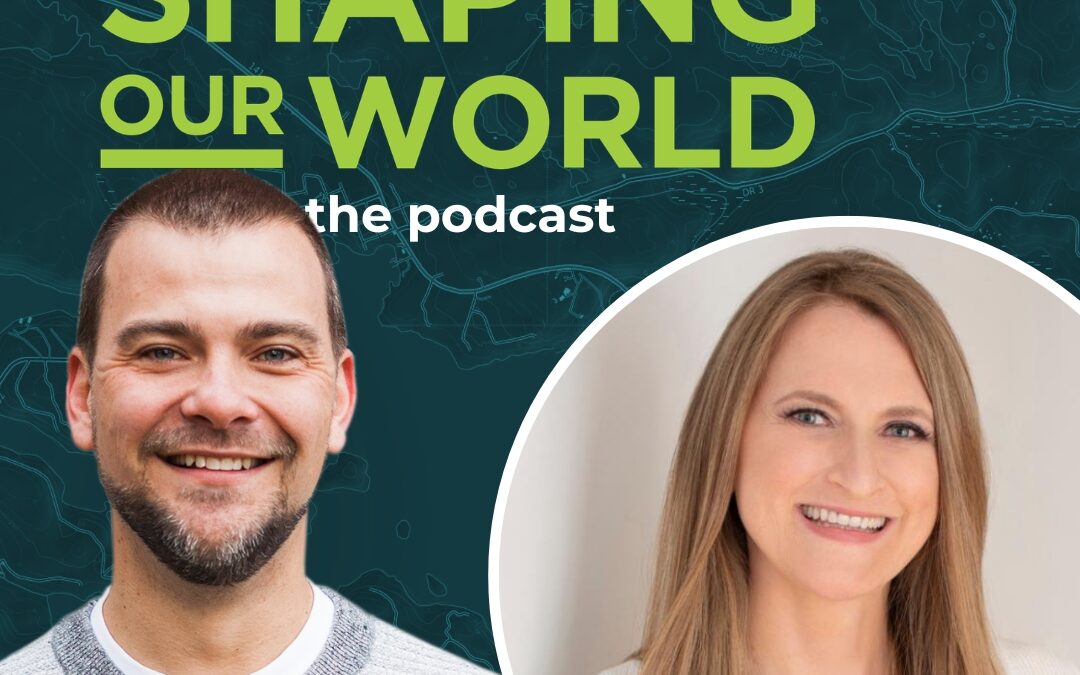
Well, hi everyone. I’m Chris Tompkins, and this is the Shaping Our World Podcast. My goal is to invite you into a conversation that will leave you more confident in understanding and inspiring the young people in your life. Each episode, we talk with leading thinkers and practitioners and offer some resources to help you dive deeper into the world of our youth today. Today we’re joined by Sara Austin. Sara is a leading advocate for children’s rights with more than 20 years of experience championing the well-being of children here in Canada and around the world. She’s the founder and CEO of Children First Canada, a national organisation that has a bold goal: to make Canada the best country in the world for kids to grow up. Her work has taken her to the United Nations, national governments, and boardrooms across the world, where she has helped shape major public policy efforts and campaigns that affect millions of children. She’s led a global campaign that resulted in the United Nations adopting a groundbreaking mechanism allowing children and their advocates to hold governments accountable for violations of children’s rights, a mechanism later used by Greta Thunberg and other young climate activists.
[00:01:34.200] – Speaker 1
She’s also hosted a Global Children’s Summit at the United Nations that brought more than 500 young people from around the world to the United Nations headquarters as official delegates for the first time in history. Here in Canada, Sara has helped create the Canadian Children’s Charter, launched the Young Canadians Parliament to give children a voice at the highest levels of government, and created the annual Raising Children Report, which shines a spotlight on the biggest threats that are facing children today. I think if you’re a Canadian, You are going to find this conversation a bit surprising, a bit challenging, maybe hopeful. We’re going to dive into where Canadian children are at in this world and what we can do to help shape their world moving forward, making our country and countries around the world a better and safer place for kids to grow up. This is an incredible conversation. Can’t wait for you to dive in. And hear from Sara Austin. Sara, it’s so good to have you. Looking forward to this conversation.
[00:02:56.500] – Speaker 2
Hi, Chris. It’s great to be with you. Thanks so much.
[00:02:59.180] – Speaker 1
Why don’t you help us get to know you a little bit better beyond the formal bio I read as we started off? What shaped your world growing up? What were the big influences in your life?
[00:03:10.300] – Speaker 2
As a young person, I think I was really formed by my faith, by my friends, and by my family. You know, I was, you know, really blessed to grow up in, with strong values and a faith community that I felt deeply loved and supported and that inspired me to be actively engaged in my community and the world around me. I had a really loving family and amazing friends, and I’m just really grateful that I had a really loving and supportive childhood.
[00:03:38.130] – Speaker 1
What’s kind of shaping your world today? Tell us about some of the things you are interested in, some hobbies, things that kind of make up who Sara is today.
[00:03:48.650] – Speaker 2
I think it’s those same, you know, issues of, you know, my faith, family, and friends are still very much core to my life. But beyond that, you know, I’m part of a skiing family. My son is an alpine ski racer. So we spend a lot of time in the mountains in Alberta, in Banff, and spend a lot of time on the hills, which I really love. It’s a great way to just get out of the city, get away from our devices, and have a lot of fun together. Here in Calgary, we have just amazing trails and it’s just a really outdoorsy kind of city. And so I spend a lot of time outdoors with friends and our family, which I really, really love.
[00:04:21.720] – Speaker 1
Those of our listeners who haven’t been to Calgary, it’s quite beautiful. I was there for a trip earlier this year for some work stuff, and I just remember sitting there going, man, what a beautiful view of the mountains. They’re so close, you can almost touch them. And so for folks that like to get outdoors and ski, Like yourselves, I’m sure it’s a great place to be.
[00:04:40.190] – Speaker 2
It is amazing, yeah.
[00:04:41.060] – Speaker 1
Can you tell us a little bit about what you do vocationally, your professional world, how you’re continuing to shape the lives of families and young people and children? Tell us a bit about what you do beyond just what we’ve already kind of covered in the bio.
[00:04:59.000] – Speaker 2
Yeah, my background is in international human rights law, and I spent close to 20 years working around the world defending the rights of kids in Asia, Africa, Latin America, and all the way to the United Nations. Just over a decade ago, I launched a national charity called Children First Canada, and I’m leading a national movement to make Canada the best place in the world for kids to grow up. We do research, advocacy, and we empower children and youth to be leaders and changemakers. We often talk about kids as though they’re leaders of the future, but I very much believe they’re leaders today. And it’s a great privilege to be able to spend a lot of my work day in and day out working with young people, often very young kids who want to make a difference in their community and in our country. And it’s just an enormous honour to be able to come alongside them, to inspire them, to support them, and help their voices to be heard within their families, their schools, and all the way to Parliament Hill. So it’s, you know, it’s amazing, inspiring work that I love to do, and it keeps me young, at least young at heart, spending a lot of time with young people.
[00:05:59.480] – Speaker 1
It’s amazing. Our listeners would know that you’re in good company with myself, our show, Muskoka Woods, because we would echo that, that It’s one thing to think about kids being leaders for tomorrow, but they’re leaders today. And so I have the same privilege as you spending a lot of time with them. So I’m really looking forward to this conversation because this ambitious goal you have, where Canada is at, what we can do for the wellbeing of children, I think is such an important conversation. And with your expertise, I can’t wait to hear about it. I want to kind of go back though, because you’ve spent over 20 years. We heard a lot about your career, really investing in children, being around them, advocating for them from communities in Canada to the United Nations and around the world. I’m wondering what kind of got you going into this field? Where does that passion for the wellbeing and advocating for children come from?
[00:06:58.430] – Speaker 2
That’s a wonderful question. You know, I’m very fortunate, as I mentioned earlier, to have grown up in a faith community and a family that— where I knew I was deeply loved and supported. supported and where there was a value that my family wasn’t just responsible for caring for me and my siblings, but really that there was this collective responsibility for caring for all of our children, if you will, in the community and in the world. At the age of 4, my family fostered a family of refugees who came to Canada as a part of the Sea Sweep operation. It was a humanitarian crisis that happened in Southeast Asia, and it was the first time that Canada really opened its doors en masse to refugees. Our church became a sponsor organisation to bring refugees to Toronto at the time, and our family brought one of those families into our home. They lived with us for a year, and for me, as a very young child at the age of 4, it was just such an eye-opening experience to see and to get to know and to love children who came from, you know, a different corner of the world.
[00:08:01.690] – Speaker 2
We didn’t speak the same language, we didn’t eat the same food, you know, we— and yet, you know, we had such vastly different life experiences. And the sense that we had this honour, this duty to care for other children who didn’t have the same opportunities that we did was something that just became ingrained in me. You know, throughout my adolescence, I, you know, became deeply engaged in volunteerism and fundraising and advocacy for kids around the world. I know I remember things like the Ethiopian crisis where, you know, there was famine and we were raising money through World Vision through the 30 Hour Famine at the time. You know, I advocated for issues of environmental justice environmentalism and, you know, because I saw the impacts of environmental degradation in the city that I was growing up in, in Toronto, let alone in the world around me. And so these were issues that I just became— I think I was immersed in a family and a faith community where these issues were really important. And it just became a part of my DNA, I guess, if you will, to speak up for children and to empower kids to speak up for themselves.
[00:09:07.890] – Speaker 2
You know, my parents joke about— I think I was probably 8 or 9 when I held my first protest. It was in my primary school. And, you know, there was a policy that I just found really unjust and unfair. And so I organised all a group of my friends. We, you know, we created these placards and signs and a protest song that we recorded and staged a protest and got in a bit of trouble with the school principal. But it was the good kind of trouble where I think you challenge authority when kids aren’t being treated fairly and that kids have the choice. I think that’s really important. And I remember very, you know, very clearly the night that my parents got the call from the principal about this incident that happened where I was protesting with my friends, and the principal was very angry and wanted my parents to discipline me. And, you know, my parents at the time spoke up for me and for my friends and defended the issues that we were speaking up about and our right to be heard. And instead of getting in trouble, you know, I found myself supported by my parents.
[00:10:07.750] – Speaker 1
That’s amazing.
[00:10:08.320] – Speaker 2
Parents who valued my voice and my right to be heard. And I think some of those, like, early formative experiences have profoundly shaped how I view children and their place in our community and the world, and very much a part of the work that I do right now on defending the rights of kids in Canada.
[00:10:24.970] – Speaker 1
So good. I want to dive into Canadian kids and some specifics about where we are, because that’s a lot of the work that you do. But I wonder, because you spend so many so much of your time with children and advocating for them. You’re around kids a lot. You know about this generation. I think this is one of the things that we always get as parents and older folks is wanting to have a better understanding of where kids are at today, like generally speaking. And I’ve used this line a million times on our podcast. It was a mentor gave this to me with things like broad topics. Take technology as an example. We are encouraged to affirm the virtue and discern the vulnerability. There are really great things, and then there are some challenges. And I, I think when we look at, you know, generations, kids specifically, I think that same, same applies. So as you’ve spent time with children all around the world, like really broadly speaking, how would you define this generation of kids? Like what stands out to you? What are some of the virtuous things that you see? And maybe what are some of the vulnerabilities about young people today?
[00:11:38.310] – Speaker 2
I love that question. And I think, you know, one of the things that really stands out to me about this young generation right now is they have this profound sense of kindness about them and this strong bent for justice and this courage, I think, to confront challenges that they see around them, whether it’s in their, you know, the immediate community or their world and they have access to technology that allows them to learn, to have, you know, vast array of information about the world around them and then to be able to communicate their ideas, you know, for better or for worse. But I think it’s— so they’re a deeply informed generation but also, you know, have this deep heart and deep bent for justice. At least the young people that I get this, you know, the chance to spend time with. But also, you know, we have spent time listening to kids and young people from all across the country, from all types of backgrounds. different walks of life. And I think some of those things are universal to kids across Canada. I mean, I hate to make generalisations, but I think, you know, some of these things are quite true for the vast majority of young people that I’ve had the chance to get to know or to hear from.
[00:12:48.700] – Speaker 2
In terms of some of the challenges, I think, you know, the flip side of that is that, you know, particularly around the access to information and the technology that they’re exposed to, that, and I don’t blame them for this by any means, but they, you know, they’ve been exposed to a lot of really harmful content from a really young age. So whether it’s, you know, some of the issues around online hate or issues around discrimination that are affecting girls and boys in profoundly different ways, their own sense of body image and what they aspire to be is deeply shaped by, you know, the messages that they’re being bombarded with on their phones or their tablets. And I think what worries me most is this lack of worthiness that I think a lot of young people have, a lot of, a sense that they have to achieve or become something bigger or better than who they are. And so my— it’s both a worry but also an aspiration to really create the sense of the young people have this inherent sense of worthiness, that they know that they don’t have to earn their value, they don’t have to prove themselves, they are loved simply by who they are today.
[00:13:57.480] – Speaker 2
They don’t have to become a better, bigger version of themselves or achieve certain standards, win certain awards, what have you. So I think that’s And that’s something that worries me about young people, but also I think it’s a call out to parents, to teachers, to coaches and camp counsellors who are working in the lives of young people that we really need to work hard at instilling that sense of deep value and worth in young people today.
[00:14:23.130] – Speaker 1
I love that answer, particularly because it really aligns with a lot of the sentiment that we’ve heard in these conversations that we host. I think it’s really important because sometimes the main media, the messaging that gets out there is not always truly representative of what’s really happening on the ground with kids. And I think it’s easy to hear some things about social media or entitlement or different things that get pumped out. And so it’s great. I love hearing that and that it kind of really aligns with the main messaging we’re hearing about this young generation, a deep advocacy, a care for one another. Empathy, openness in that, and then just an awareness that how fast our world has moved and what kind of access they have to information has some vulnerabilities with it that shape who they are and how they’re growing up. So yeah, it’s really encouraging. I want to spend some time diving into some of your work, and our conversation is going to really lean in on what’s happening in Canada. A lot of our listeners are from Canada. But just a little disclaimer, those of you who aren’t from Canada, I’m sure you can think through a lot of these topics and how they apply to the kids in your life as well.
[00:15:40.750] – Speaker 1
We’ll broaden it out as we go. But I do want to start because you have a really ambitious goal with Children First Canada, which is to make Canada the best place in the world for kids to grow up. And I love that aspiration. I love that vision.
[00:15:55.660] – Speaker 2
Thank you.
[00:15:56.470] – Speaker 1
And I think many Canadians like myself would probably assume that we’re pretty close to that. Like, we’re pretty high, high up on the list. And in fact, I think research would show that many Canadians believe we’re among the top 10 countries for children. Yet the data points to a bit of a different picture. And before we get into that picture, I wonder if you can start us on this journey by helping us think through why is there a disconnect? Like, why do many people like me hear that and go, oh yeah, we’re pretty close, when maybe we’re not as close as we think? What’s the disconnect between how kids are doing and how we think they’re doing?
[00:16:37.140] – Speaker 2
I think it’s not an easy question to answer. It’s a question I honestly spend a lot of time ruminating on and trying to solve, because it’s— I think it really gets at the heart of our mission as an organisation at Children’s First Canada. You know, we did polling right at the beginning beginning of our organisation a decade ago, and the majority, as you said, viewed— majority of Canadians thought we were a top 10 country for children. And we used to be, going back into the, um, you know, the early 2000s. Canada was in the top 10 countries to raise a child according to UNICEF’s global indicators. But we have lost our way, and we’ve been on this steady downward trajectory for, for, you know, almost 2 decades now. Uh, and we’ve been losing our ground globally, and there has, I think, been a real disconnect. So people like you, Chris, and You know, our generation, we grew up in a country that was a world leader, and we don’t know otherwise unless somebody tells us. But we have, you know, we’ve seen some of Canada’s leading indicators go backwards. Things like child poverty, child and youth mental health, experiences of discrimination and racism, even basic things like immunisation rates or physical activity and play.
[00:17:50.550] – Speaker 2
When you think about some of the things that are most basic to childhood, the things our kids need to survive and thrive, have been heading in the wrong direction for 2 decades now. There are a lot of reasons behind that that we can unpack, but I think there is this general sort of societal disconnect because we were a leader and we’ve been falling behind, but there really hasn’t been a lot of visibility around that. I know, I think there began to be a bit of a shift, actually a significant shift during the pandemic, because while it used to be that, you know, that certain members of the population felt like this was maybe something that was just, you know, an issue for children overseas and, you know, in other less developed nations, or in certain pockets of Canada, or certain communities of our cities. It became much more personal because we saw, during the pandemic, when there were lockdowns and school closures, we saw a whole generation of Canada’s kids experiencing adversity in very significant ways. And, you know, I realise that there were some kids who got through the pandemic really well and were, you know, really well supported, but the vast majority of our kids experienced real adversity Being disconnected from their friends, being disconnected from their education and their sports and the activities and all the things that make childhood so fun and so wonderful and where they get a lot of support.
[00:19:06.080] – Speaker 2
You know, childhood became a really, really difficult time and we’re still dealing with the repercussions of that, you know. So I think those are some of the reasons why things, you know, why Canada fell so far behind and why Canadians didn’t really know about it, but why I think there has been We are starting to see certainly more of a shift and awakening of our conscience, but also, you know, the work that we’re doing at Children First and with all of our partners, with kids’ hospitals and kids’ charities and corporate partners, we’ve really raised the visibility around these challenges with the work that we do. And so there’s a lot more public discourse. You see a lot more in the headlines about the challenges kids are facing today. And I’m, you know, in many ways proud that we’ve helped to make kids a topic of national conversation and the concerns that are facing young people and that young people themselves are speaking out and seeking But we still have a very long way to go.
[00:19:56.980] – Speaker 1
I wanna make sure I get this right. Like, in our research, is it true that Canada ranked 30th out of 38 affluent nations for children’s wellbeing and kind of even measured lower on children’s rights? Is that accurate data?
[00:20:12.340] – Speaker 2
So yeah, UNICEF does an annual report card scoring wealthy nations, OECD countries against each other on child wellbeing. measures. And so Canada’s currently ranked 22nd amongst wealthy nations for children’s well-being, which is not a good place to be. And when you think about where we want to be, we’re far behind. And when it comes to the Global Kids’ Rights Index, so that you’re measuring all the countries around the world and the protection of kids’ rights, we’re actually 67th. So in both cases, on the, you know, against wealthy nations and against child rights scores, we are far from being a world-leading country and have a very long way to go to tackle some of these thorny issues that are holding our kids back from surviving, let alone thriving.
[00:20:55.730] – Speaker 1
I know in your previous answer you covered a bunch of these topics, but I wonder if you can highlight for us, it was UNICEF you said, right? Like what do they measure on this index? And I wonder if you can maybe pick one or two of these metrics that has you kind of most alarmed, or we can use as a data point to just even talk about What that measures, how did we get there, you know, maybe what are some of the things you’re seeing that we can start to do to rewrite that. So broad view of what we’re measuring and then maybe zero in on something that, you know, surprises you or gets your attention on that.
[00:21:34.660] – Speaker 2
Yeah, I think most Canadians would be pretty surprised by some of the data. So when it comes to, you know, again, the basics of survival and development of children, The leading cause of death for kids in Canada is preventable injuries. You know, you’ve got an audience of parents and young people who are involved in, you know, competitive athletes and involved in a lot of physical activity, and so they’re probably not necessarily like the key demographic, if you will. Like, a lot of kids in Canada simply don’t get enough physical activity, and that’s a different— that’s a separate score in and of itself. But when it comes to preventable injuries, everything from choking and drowning to to, you know, head injuries and other experiences that young people have, the vast majority of that is preventable, you know, whether it’s simply not having the right safety equipment for kids or, you know, this past year we’ve seen a rise in young people being seriously harmed or dying as a result of e-bikes and e-scooters. Don’t get me going on this one. It’s, you know, I think it’s something that we’ve seen a vast change in our culture on very quickly.
[00:22:39.230] – Speaker 2
10 kids in Canada have died in the past year as a result of e-bikes and e-scooters. Scooters because kids are on, you know, they’re not supposed to be on these things and yet they are. We don’t have a lot of regulation in this space, but far too often they’re going at very high speeds with no helmet, sometimes no shoes on or just slippers or slides, what have you, and causing serious harm to themselves and to others. Another example would be child poverty. Canada has set a goal back in 2000 to end child poverty, but here we are in 2026 with 1 in 4 kids in Canada growing up below the poverty line. Like, that’s an astronomical number of kids whose lives are diminished every day due to lack of adequate food, lack of adequate shelter. And so that really diminishes a child’s ability to learn, for their brain to develop, for them to be able to focus and do well in life. So those are a couple of just the very basics. Infant mortality is another one that I think really surprises a lot of Canadians. We tend tend to think of infant mortality as being an issue of sub-Saharan Africa, but Canada has a really high rate, particularly for children in the north due to lack of maternal care for remote Inuit communities in the north, but also even in big cities like Toronto or Vancouver or Calgary where there is a high racialized population where Black and other racialized newcomers may not have access to the same medical care and supports for newborns and for maternal care.
[00:24:11.370] – Speaker 2
So just, again, very high rates of preventable causes of child deaths or issues to child development. So those are a few of the— I think what I think a lot of Canadians find very shocking. It’s shocking. I mean, it’s really, you know, pretty disturbing data. So there’s the UNICEF scorecard and that sort of positions us globally, but Children First Canada also issues, you know, we do an annual report card on the state of the nation’s children. It will be coming out in early September, and every year we highlight the top 10 threats to children, the things that are really holding our kids back. And we do that so that we actually have an accurate perspective on what the challenges our kids are facing. It comes from data from kids’ hospitals and charities and from Statistics Canada, but we also do extensive engagement with children and youth so they can tell us what it’s like to be a kid today and describe in their own words and their own life experiences the problems they face, but even more importantly, the solutions that they envision and how we as parents and caregivers and policymakers can come alongside them to tackle these issues and to really, you know, make Canada the best place for kids to grow up.
[00:25:19.300] – Speaker 1
Yeah, I think I want to dive in a little bit on that because Honestly, as I’m listening to this and as we were doing research and preparing for this, I was pretty surprised. I think most Canadians would be when we look at some of the data points on this. There is an interesting contradiction in the research that Canadians overwhelmingly say they care about children’s future and their well-being, and that we believe that investing in kids now will benefit all of us in the future. That’s an aspiration and a belief we had. So I’m just wondering if we did care this much, if it was important, and we know there are other countries that are outperforming us, what’s stopping us from doing better to rapidly moving ourselves up these measurement lists? Like, what’s stopping us and what can we learn from your perspective? Because you’ve seen it. What are other countries doing better than we can that we can learn from and adapt? How do we close this gap on what we would want it to be from where we are today?
[00:26:28.220] – Speaker 2
Yeah, it’s a tough one to solve. And I think it goes from the, you know, at the individual level all the way up to systemic sort of policy level. I think at an individual level, you know, I think we have become a much more, you know, while we’re well-informed of the world around us, you know, I think there’s a state, particularly for parents, of total overwhelm. Like we’re just trying to get through. So it’s a survival mode. mode a lot of parents are in, of just trying to put food on the table and get our kids to school and get them to the after-school and like all the stuff. And so we just become— have become much more insular. We’ve lost the village, that sort of collective support system around families of having neighbours and family members, you know, really coming around families to support kids and family parents through those— particularly through the early years, but also through adolescence when we know our kids really need support. So this lack of sense of like, these are all of our children and that we have this collective responsibility, I think has been lost. But at the policy level too, Canada’s just lost its way.
[00:27:28.860] – Speaker 2
You know, going back to some of the early days of my career, Canada wrote a national strategy for children called A Canada Fit for Children. It was inspired by global goals that were set at the United Nations that I helped to be a part of with bringing kids from around the world to the United Nations. And so that summit at the UN happened in 2002. Canada created a national plan of action, but in 2004, that plan got dropped. There was a change of government, and Canada ceased to focus on achieving certain goals for improving the lives of kids in our country. And that was the beginning of us, you know, the slow and steady decline. It’s not the only reason why we’ve fallen behind, but, you know, when we have a government that ceases to prioritise its own children, and to have a clear roadmap, clear targets, even dedicated resources to improving kids’ lives, it’s not hard to see why we would start to fall behind. And so, you know, we’ve been trying to, you know, really through the work we’ve been doing, trying to elevate these issues through public awareness campaigns, through advocacy, by getting children and youth at decision-making tables to advocate for their rights and getting adults, parents and teachers, other caregivers to advocate for children and with children to, around this collective goal.
[00:28:48.390] – Speaker 2
So we have some— we have a long way to go, but I think we’re at a moment in time right now where I think we are— well, in the past few years, we’ve actually seen some substantial changes being made. We helped Canada establish a new national school food programme. At the time, Canada was the only G7 country that didn’t have a national school food programme. And just again, another example of how Canada was lagging behind other But we now have the Canadian government investing $1 billion in feeding kids across the country, which is a really important piece for making sure that kids are well nourished, but also learning the skills of good nutrition and having access to food that will support not only their bodies and their brains, but helping their learning and help them to be more deeply engaged in their life, in school and their community. So these are some simple things that we can do. And I think that’s really important. that, like, it’s not rocket science, but it takes a clear focus and dedication to focusing on children and really putting them first in our policymaking and within our communities.
[00:29:54.920] – Speaker 1
Yeah, as I’m listening and going, yes, we have to be better as Canadians, I know it’s really true, like you said, one of the things is we’re just kind of overwhelmed with our own, you know, what’s in front of us and taking care of our kids and figuring out the world that’s like literally right here. But I also know, and I’ll just speak honestly, I hear that and I’m like, some of that just feels so big and beyond me. What are some practical things that I can do? I live in Stouffville, Ontario. How can I help join in with someone like you when it comes to policy and government? Like, can you gimme some practical places to go or tips to go like, yes, let me help you, Sara. Like, how do we get more adults?
[00:30:38.940] – Speaker 2
Yeah, we would love support. We would love some help. You know, we really, I know we’re really trying to rally every parent, every caregiver, every teacher, teacher across this country and every child to, to speak up for the rights of our children and, um, so that they can be seen, heard, and empowered to thrive. You can go to childrenfirstcanada.org to make a donation, to volunteer, to sign up for our newsletter, because we’re, we’re constantly sharing information, whether it’s about, you know, the latest data on what’s happening in the lives of children, about opportunities to make a difference in your community, and how to raise your voices. And we are at a very significant moment in, in Canadian society where we are seeing an opportunity for profound change, particularly around online safety for kids. Again, this is an example of how we fall really far behind our global peers. Canada, you know, we’ve heard a lot of talk about Australia and its social media ban, and France and the EU, like a lot of other countries are— have moved far ahead on this, and Canada sadly lags far, far behind. You know, we’ve been at Children First Canada leading a national movement for online safety and advocating for this for, for a decade now, and legislation was just tabled in June, uh, to restrict social media for, for young people under the age of 16.
[00:31:52.740] – Speaker 2
And to— but not just a ban per se, but actually forcing companies like Meta and YouTube and TikTok and on and on to create safer products for children, um, so that they— and they can essentially be exempted from the ban if their products can be proven to be safe, and where there would be a digital safety commissioner who would be constantly investigating and holding them to account and issuing stiff penalties if they fail to protect our children. You know, I have met far too many children who’ve experienced significant, significant harms, whether it’s cyberbullying or seeing online hate or being, you know, their mental health being harmed by the manosphere or by, you know, girls by eating disorders, let alone talking to parents who have tragically had to bury their children because of their kids dying by suicide because of online harms that they experienced. Like, this shouldn’t be happening in the lives of our kids, and we have failed to protect them from the most basic things. You know, there’s no other product that we put on the market, whether it’s food or medicine or toys or clothes even, that isn’t regulated in some way.
[00:32:59.360] – Speaker 2
You know, we’re not talking about the nanny state. We’re not talking about, like, you know, government controlling our lives. We’re talking about basic product safety for children that should have been in place today. decades ago when technology came onto the market, but somehow they’ve got off the hook. And so we’re now trying to rally for this legislation. And so if you go to our website, you can learn more about this campaign, you know, sign the petition, be a part of, um, speaking to your local member of parliament. Sometimes, you know, I think Canadians feel like advocacy is this like very daunting thing, but our members of parliament are human beings. They’re generally parents and And grandparents and aunties and uncles and people who live in our community who’ve been elected because they want to serve their community and it’s their job to be listening to members of their community. So I want your listeners to know that when they send their MP an email or call their office, that is a really profound way that we can speak up for children and to make meaningful change. And it’s not just your voice, it’s the voices of tens of thousands, hundreds of thousands, I want millions of parents really speaking up because this is a time when we can really affect this meaningful change this fall as this legislation moves forward in Parliament.
[00:34:16.540] – Speaker 1
Yeah, that’s great. And they can go to your website and get more information. We’ll give all that as we’re wrapping up as well. And for those Canadians who are listening and are wanting to track, you can Google Bill I think it is. Is that what was introduced?
[00:34:31.710] – Speaker 2
Mm-hmm. Yeah.
[00:34:32.840] – Speaker 1
In June Parliament that hasn’t become law. And we can advocate for that and more of the legislation that Sara’s talked about, because there are ways we can help move some of these metrics, you know, move the needle a bit. I do wanna just, you know, as you were talking about, you know, I was surprised with the preventable injury data on Canada and going, okay, yeah, what can we do to better protect kids? But I also wonder how we manage this tension we have as parents as well, because I can hear some parents listening to this going, yes, we need to like get in and protect more. And there’s also this tension of letting kids be kids and falling and scraping their knees and not rushing in to bubble wrap everything we’re doing. How do we manage the tension when we hear something that is alarming? And we can do more to protect, yet not rush in and overprotect kids. I mean, from your experience, how— is there any advice or any input that you would have to our listeners to not have them go too far into that data to rush in, but yet give attention to it?
[00:35:42.280] – Speaker 1
I think there’s a really interesting tension that we get to with parenting that I’d love for you to explore, even just around that specific topic.
[00:35:49.130] – Speaker 2
Yeah, I can totally appreciate that sense. And I mean, as a parent myself, um, you know, this is like— we know, we, we, you know, uh, we understand this profound sense of wanting to protect our kids. Um, but I think Jonathan Haidt, who’s, you know, become a well-known author and speaker on the anxious generation and around online safety for kids, he has this phrase about kids are overprotected in the real world and underprotected in the digital world, which I think is often true. We have this sort of sense of being helicopter parents and And, you know, Chris, you and I used to be sent out, you know, we’d come home from school and we’d be sent out to play in the neighbourhood. And we’d, like, our parents wouldn’t know where we were until it was dinnertime or the lights went on or whatever, you know. But we’ve really lost that sense of letting kids be independent and get outside and play and have risky play. There’s been a lot of research and data to show that risky play is actually a really good thing for kids. And so, you know, scrapes and bumps and bruises or whatever, like, we’re not trying to prevent that type of injury.
[00:36:46.190] – Speaker 2
We are trying to prevent things that are really dangerous and could put our kids’ lives in danger, like the choking and drowning and, you know, severe head injuries are, you know, another example of where kids’ lives are often put in danger. So if your kid is riding a bike, make sure they have a helmet on. Don’t let your kids go on e-bikes and e-scooters. They’re all the rage right now, but there’s all kinds of evidence from great hospitals like SickKids that show that they are extremely dangerous. And talk to any emergency doctor these days and they will tell you that their number one concern is, you know, these e-bikes and e-scooters because they are so dangerous for children. So we have to sort of find this balance between like letting kids be— to engage in risky play where they are gaining more independence and taking risks and sort of testing the boundaries a bit, but also not putting them in harm that will actually endanger their lives and cause serious harm that is So, like, I think we’re just trying to find our way through that and, you know, get comfortable with our kids taking some more risk, but also not risking things that would actually endanger their lives.
[00:37:59.070] – Speaker 1
Before we get back to the conversation, I want to let you know about a great opportunity for families. Muskoka Woods is giving away one free week of camp for a child aged 5 to 12. Age 6 to 16 in the summer of 2027. That’s a camp experience valued at $2,250, including all accommodations, meals, activities, new friendships, and more fun than you can imagine. At Muskoka Woods, young people grow in confidence, try new challenges, and make memories that last long after the summer ends. And entering is Easy. Just visit muskokawoods.com/winaweek. You’ll need to fill out a form and confirm your email. No purchase is necessary, and the winner will be drawn on March 3rd, 2027. That’s muskokawoods.com/winaweek. Enter today. I kind of want to switch gears a little bit because you said something earlier when you were talking about your work about, you know, giving children a voice and having them at the table. And I think one of the things that you’ve done that’s really intriguing is the work— you’ve spent time at, you know, the United Nations and in boardrooms and governments and the, you know, the seats of power, as you’d say. And you’ve helped bring kids into the conversation as well.
[00:39:32.230] – Speaker 1
If I get this right, you helped bring more than 500 kids from around the world to the UN as official delegates for the first time. And I love that idea. So can you tell me what happens when children are put into spaces, you know, these traditionally reserved for adult conversations? you know, powerful adults. What happens when kids’ voices get in the mix? How do they change the conversation?
[00:40:00.770] – Speaker 2
You know, I think it’s something that makes a lot of adults very nervous, the sense of like sharing power and giving young people the microphone and like, but it’s such a beautiful thing to behold. I know, I just, and the more adults do it, the more they get comfortable with it and the more they value it because it profoundly changes the tone of the conversation, the topic of conversation. And, um, you know, coming back to our earlier conversation, Krist, you were asking about like things that define children today, but I think that are also like unique to children at large is the sense of curiosity and like this audaciousness that they have. Like, they’re not, you know, cynical like we are as adults, um, around like that, well, we could never do that, or we couldn’t, you know, this is just the way things are done. Like, young people have this profound curiosity and creativity that challenges the status quo and challenges injustice. And so, you know, and that also challenges authority for better or for worse. And so when young people are in the room, when they’re meeting, you know, I’ve had the chance to bring kids to the UN as you talked about, but also into, you know, Parliament Hill and other places where they can make real change.
[00:41:11.210] – Speaker 2
And they just change the tone by being very frank. And it’s one thing for me as a subject matter expert or, you know, technical expert to come into a room and stand at a podium and talk about these things. It’s very different for a young person to stand at the podium and say these things as something that they are experiencing today. You know, just as an example of this, you know, in February, I was testifying to a Parliament committee about online safety. The Parliament was doing a study on the impact of social media on young people today, on their mental health and their wellbeing. And I brought 12-year-old Zachary, who’s a member of our Young Canadians Parliament and our Youth Advisory Council, to testify alongside me. It’s something that I always do. I’m like, if I’m invited to Parliament, I’m bringing kids with me. They’re going to tell their own storeys. And he was the only kid who got to testify. Actually, sorry, there were 2 kids who came that day. But Zachary, I think because he was so young, I think the parliamentarians were shocked that there was this young person who actually had something meaningful to say about this topic that they were studying.
[00:42:18.010] – Speaker 2
And it became much more grounded in the daily reality of his social media feeds, the tech, you know, the apps that he’s using are very different than what, you know, the MPs or even I are using. And his experiences, um, is very real. He could describe what it’s like to be bullied in, um, you know, on, on, on Roblox, or to see things that were completely graphic and inappropriate for his age. And so it just, it makes these things much harder to ignore, uh, but also they bring the sense of urgency. Like, you can’t ignore this, you know, members of Parliament. Like, this is This is what it’s like for Zachary, and you’ve got to get your act together because it’s impacting his life and lives of millions of kids across our country. So it brings a sense of urgency that becomes much harder for decision-makers to ignore.
[00:43:04.860] – Speaker 1
I think the other thing bringing kids to the table brings is unique vantage points into not just defining what is happening, but proposing solutions. And I think sometimes as adults, we think we have all this life experience and we know what’s best. But sometimes it takes a different perspective. I remember hearing this storey, like an analogy of, um, I think it’s used as like an illustration. I don’t know if it’s an actual storey, but this idea of a truck that drove under a bridge and got stuck, and all the adults were trying to figure out how to, how to get it out. And it was a young child who was low to the ground just said, well, why don’t we let the air out of the tyres? You know, because of their smaller view.
[00:43:48.890] – Speaker 2
Yeah.
[00:43:49.210] – Speaker 1
Like, we think, oh, as adults we’ve got this bigger perspective, and it was the eyesight and the problem-solving of a child that brought something unique to the conversation. I wonder if you have some examples of this where you’ve seen children not just define what’s going on and have a voice for advocacy, but actually even offer up solves to things that maybe us as adults might not see.
[00:44:13.550] – Speaker 2
Yeah, I think a great example of that is Ismina. She’s a 15-year-old girl who’s a part of our Youth Advisory Council. She lives in And she came with me to Parliament Hill. We brought a delegation of kids to Parliament Hill in April to talk about online safety. This was before the legislation was tabled. And Ismina is a survivor of child abuse. She experienced abuse at the hands of her father. And she uses social media to raise awareness. You know, she’s really a big advocate for young people being able to disclose their abuse. We know that that’s really important. And I think that’s a really important point. 2 out of 3 Canadians experiences abuse before their 15th birthday. It is a galling statistic. 2 out of 3 Canadians experiencing abuse before they turn 15. And so Ismina, because of her experience as a sexual abuse survivor, has made it her life’s mission to help prevent child abuse in the first place, but importantly, to help kids to have the courage to disclose abuse, to seek help from loving caregivers, and to be able to access care and support. And Instagram is a really important way that she does that and gets her message out to other young people, but also to adult survivors of abuse, because there’s so much shame and stigma associated with abuse that so often people don’t disclose or don’t seek help for years, if at all.
[00:45:29.560] – Speaker 2
And so she uses social media as a really profound way to get her message out to other survivors of abuse to access support earlier. But sadly, she’s experienced significant harms in the digital world. She is regularly You know, predominantly men and boys harassing her in the digital spaces. And, you know, she came to Parliament Hill to share that storey and to talk about what it’s like to be a young person today. You know, she will be affected by the social media ban if it moves forward, and she will lose access to social media tools to be able to get her message out. And so she wanted to talk about that. And about I think that’s a really important point. what that impact— how that policy decision would impact her. And her message, which I’ve heard from many young people across Canada, is they don’t want to be cut off from social media entirely. What they want and expect and deserve is to have products that are safe for them to use, like we expect for any other product that’s on the market for young people. And so she, you know, she sat in front of Minister Mark Miller, who is leading this legislation.
[00:46:34.650] – Speaker 2
She met with Minister Evan Solomon, who’s the Minister for AI, and be able to, you know, met with Pierre Poilievre, and members from all different political parties and got to tell her storey and got to present solutions. You know, we as parents often think like this, it’s a simple fix, you know, ban social media for younger kids and take them off. And she was able to bring to the table a lived experience that actually brought a different narrative to the storey about young people having a right to access information and be able to build community and to use social media for good. And pleading and— Not pleading, but Like really advocating for products to be made safer for children, which I think is a really practical, tangible example of how young people can be involved in decisions all the way to Parliament Hill about making change in their lives and being a part of solutions that impact millions of kids across our country.
[00:47:27.280] – Speaker 1
I wonder if you can kind of take this from the Houses of Parliament boardrooms down into our homes. How can we as parents take this same principle of giving kids a voice even into how we navigate our own households? and parent. Can you maybe give us some practical input into what that looks like with our own kids?
[00:47:52.070] – Speaker 2
Yeah, and I think I want to be really clear, you know, I want to be clear that children have a right to participate in decisions that affect their lives, whether it’s from their family to their school or to the, you know, policymaking tables. But that doesn’t absolve adults of their primary duty, which is to care for and protect children. And so, you know, how do we engage kids in decision-making but also not hand over the reins. And so I think as parents right now, we kind of vacillate between this. Sometimes we’re very permissive and just let kids do what they want to do, or there’s a social or peer pressure to give in because everybody’s got this, you know, everyone’s got Instagram or TikTok, or everyone’s got an e-bike or whatever the case may be. You know, how do we engage kids in talking about these things? And I think one of the real challenges we face, I know myself as a parent, we want to be the expert, like we want to know all the things. But I think how do we approach parenting from a place of curiosity and let our kids describe what it’s like.
[00:48:45.120] – Speaker 2
What are they seeing online, or what are they experiencing with their friends? What are their friends talking about? Not in like we’re trying to spy on them, but like just to understand what it’s like to be a kid today, because their experience of childhood is profoundly different than it was for you or for me and for any parent listening for that matter. So how can we come at parenting from a place of curiosity and solving problems together with our kids? So how do we be better informed? You know, you can take something like our Raising Canada infographic that covers the top 10 threats to children and use that as a conversation starter with kids, like to talk about, hey, did you know this was an issue for kids in Canada? Or what do you think about that? Or do you ever hear your friends talking about it? Like having those kinds of topic discussions, whether it’s around the dinner table or as you’re driving to a, you know, to the hockey game or, you know, whatever, you know, just spending time with your kids. You can have these, these conversations where, you know, your kids may be a bit surprised.
[00:49:41.170] – Speaker 2
You’re not used to talking about these things this way, but even from a young age, what they’re seeing, what they’re witnessing, what they’re hearing from their peers. And instead of us coming at this from like, we know best, like just wanting to understand. And from that, we can make better decisions that involve them. It’s not to say that they’re going to have the final say. We should actually, as parents, take the responsibility of making decisions around, you know, hearing their input, but ultimately coming to a decision around what we feel is best for them. is And I think that’s a really important point. an appropriate line to draw on social media or on activities they engage with, all those things, but from a place where we are approaching this through curiosity and through deep engagement with our kids through conversations that we have.
[00:50:24.520] – Speaker 1
That’s so good. And we are rapidly running up against time in this conversation ’cause there’s so much we could go through. And I mean, your insight and your experience and your encouragement has been super challenging and insightful for me personally. And I wonder, just maybe as we’re wrapping up, I think it’d be easy to listen to this interview and conversation and think, oh my goodness, there’s like all of these enormous issues and just feel like kind of the weight of it all.
[00:50:56.290] – Speaker 2
It’s daunting. I get it. Yeah.
[00:50:58.760] – Speaker 1
But what I love about what you do is you’re actually optimistic and hopeful. You’re saying we can do this, like we can get Canada In fact, we can get it to be the best place for kids to grow up. And so I wonder beyond what government, their responsibility is, and lawmakers and policymakers, I wonder maybe if you could finish with like a final charge to like the average Canadian or person in wherever they’re listening for their country. What can we do to help create a better community, a better environment, a safer place for our kids? a more healthy place for kids to grow up in? What are a few, I know we’ve covered so many, but maybe as our final charge, what would you say to us as parents, adults who care for kids in our own contexts and communities to work with you to make this a much better place for kids and their wellbeing and for them to grow up here?
[00:52:00.610] – Speaker 2
Yeah, I love that. I know, I certainly don’t want parents leaving here feeling overwhelmed or totally daunted by this. I get that the data is disturbing And it can feel like, oh my gosh, where do I even start? But, you know, I think you are not powerless as a parent. You have so much ability to influence change within your homes. The decisions that you make every day about the food they eat, the games and toys, you know, the apps they use, the toys they play with— like, these are things you can take. And even if you think, okay, I made some mistakes, I, I was too permissive in this area, whatever, you’re right. You have the right as a parent to change the rules and change the game and not just be be like, um, uh, hardline about, but like explaining to the— your children why you’re making certain decisions, or having engaged them in a conversation about why we need to, to change the rules or change the game. Uh, but we have power to make decisions every day within our homes. We can advocate for our kids in their schools, like, right? Kids are going back to school right now.
[00:52:53.950] – Speaker 2
Uh, you know, there’s a lot of talk around online safety for kids. Simply asking your school principal What is your policy on AI? What is your policy on tech in the school? And challenging some of those things to demand accountability and transparency and protection for our kids in the digital world. And certainly, you know, to embrace this idea that these are all of our children. It’s not just your job to care for your child or your children in your home. We have this collective responsibility and not to feel the weight of that, but actually to feel the joy of that. Like we actually have this chance to raise a generation of kids in this way. And so, and I know if you’re being inspired by this conversation, go to our website, consider making a donation or volunteering, you know, sending an email to your member of parliament. That is such a powerful thing that you can do to advocate for all of our children. It may just feel like you’re like this tiny little drop in this vast ocean, but really, I can’t underscore enough the power of your voice and your children’s voices to make meaningful change all the way to Parliament Hill.
[00:53:52.110] – Speaker 2
We can do this.
[00:53:52.990] – Speaker 1
I know.
[00:53:53.120] – Speaker 2
We’re at this moment where we can really affect meaningful change, particularly around online safety for kids. So speak up for your kids, speak up for all of our children.
[00:54:02.150] – Speaker 1
And just maybe as we finally wrap up, you can— we can direct them to your website. What’s your website again for your Children First?
[00:54:09.780] – Speaker 2
childrenfirstcanada.org.
[00:54:12.090] – Speaker 1
Perfect. So that’s a great, great way to conclude. I hope there’s tonnes of Canadian parents who are just literally typing it in right now to join you in helping make this country the best place for kids to grow up. I’m hopeful. I think we can get there. We got some work to do, but what other aspiration should we have than to be the best place for kids to grow up? So— Yeah.
[00:54:35.430] – Speaker 2
Well, and I think take inspiration from our kids. You know, they— I think they— when we talk about this with them, they believe it. They have creative ideas. And so that’s what gives me hope every day is these amazing kiddos that I get to, you know, my own children, let alone the kids I work with across the country. Let’s take some inspiration from them and embrace their bold audaciousness. ideas and let’s make this happen.
[00:54:54.950] – Speaker 1
And with that, that’s the final word. Thank you so much, Sara. Appreciate everything you’re doing and for our conversation today. It was challenging yet inspiring as well. So thank you for everything you do.
[00:55:08.910] – Speaker 2
Yeah. Thank you. Likewise. Thanks for the amazing work that you do in the lives of young people. I’m so grateful for leaders like you.
[00:55:17.730] – Speaker 1
Well, that’s a wrap for today’s episode. What a great conversation. If hearing from Sara Austin inspired you to think differently about the state of childhood in Canada, how we can impact children’s well-being, and the importance of giving young people a meaningful voice in decisions that affect them, why don’t you head over to muskokawoods.com? There you’ll find a blog post with key takeaways and a link for you to listen again. Don’t forget to subscribe to Shaping Our World and share this episode with a parent, caregiver, educator, youth leader, or anyone who’s passionate about creating a better future for our kids. Thanks for listening, and we’ll see you next time on Shaping Our World.